Randang Jaring
West Sumatra
Biodiversity: Jengkol / Dogfruit
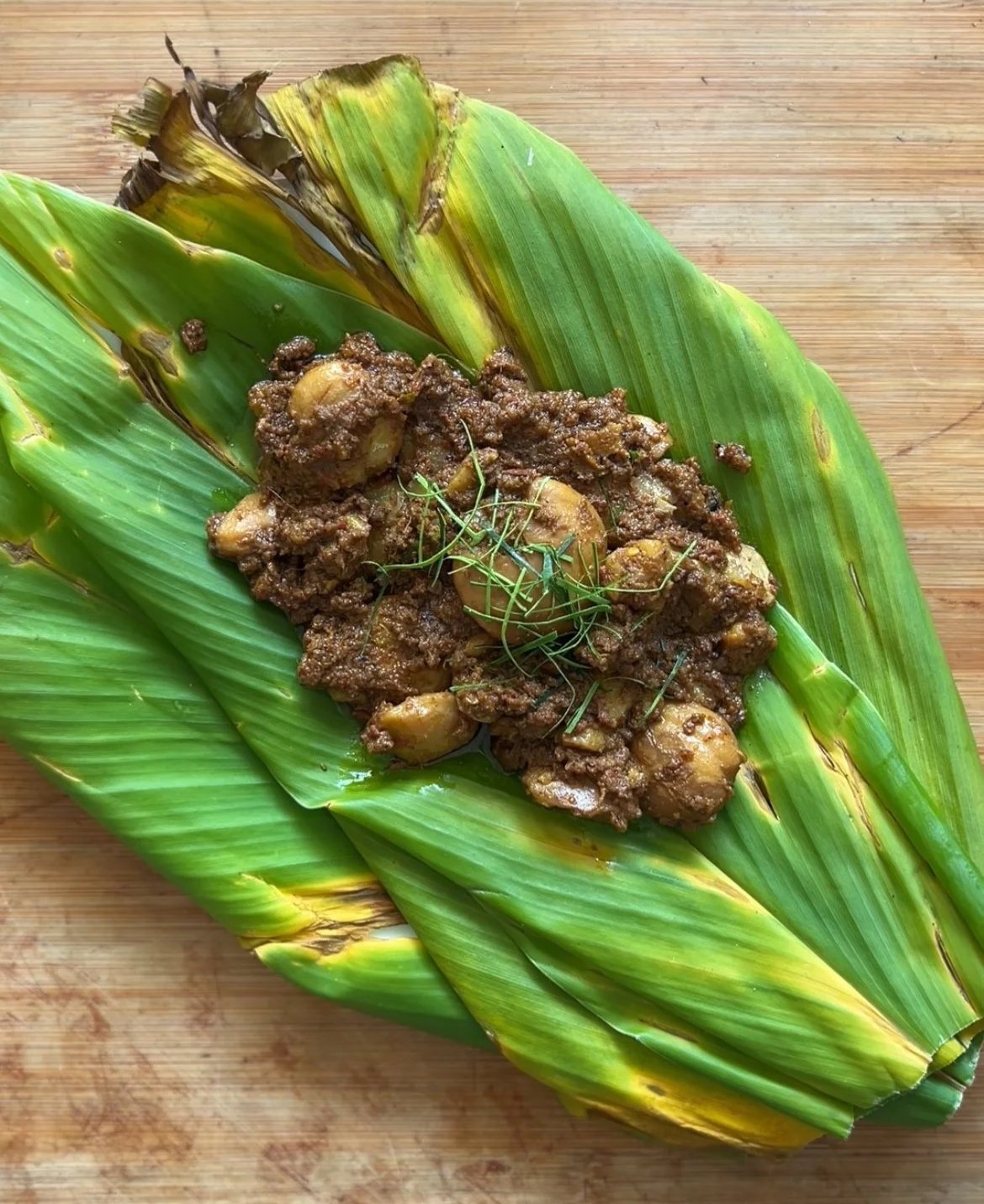

What is Randang Jaring?
Randang Jaring is the Minang term for the more famous name; Rendang Jengkol. This dish has been a vegetarians’ best friend given how accessible they are throughout the country. A variation of Rendang, which is both a worldwide known dish and Indonesia’s national dish.
Derived from the word ‘merandang’, Rendang is that dish that can’t be categorized as a quick and easy recipe. Merandang means to braise for hours until dry, hence Rendang literally is the definition of a dry curry. Just imagine a coconut-based curry that is simmered for hours and hours and you’ll have rendang.
The significance
Rooted in Minang ceremonial life, where lengthy cooking symbolizes patience, respect and communal hospitality, rendang became both a marker of cultural identity and a practical food for long journeys and festive occasions. Its complex blend of coconut, chilies, ginger, turmeric and other aromatics transforms simple ingredients into a deeply flavorful, shelf-stable dish, earning rendang recognition across Indonesia and the world while retaining its role as an emblem of Minangkabau tradition and social ritual.
Key Components
Jengkol (dogfruit)
Spice paste (bumbu)
Aromatics and leaves
Freshly squeezed coconut milk
Toasted coconut butter (kerisik or ambu-ambu)
Slow braised cooking process
Garnish and accompaniment
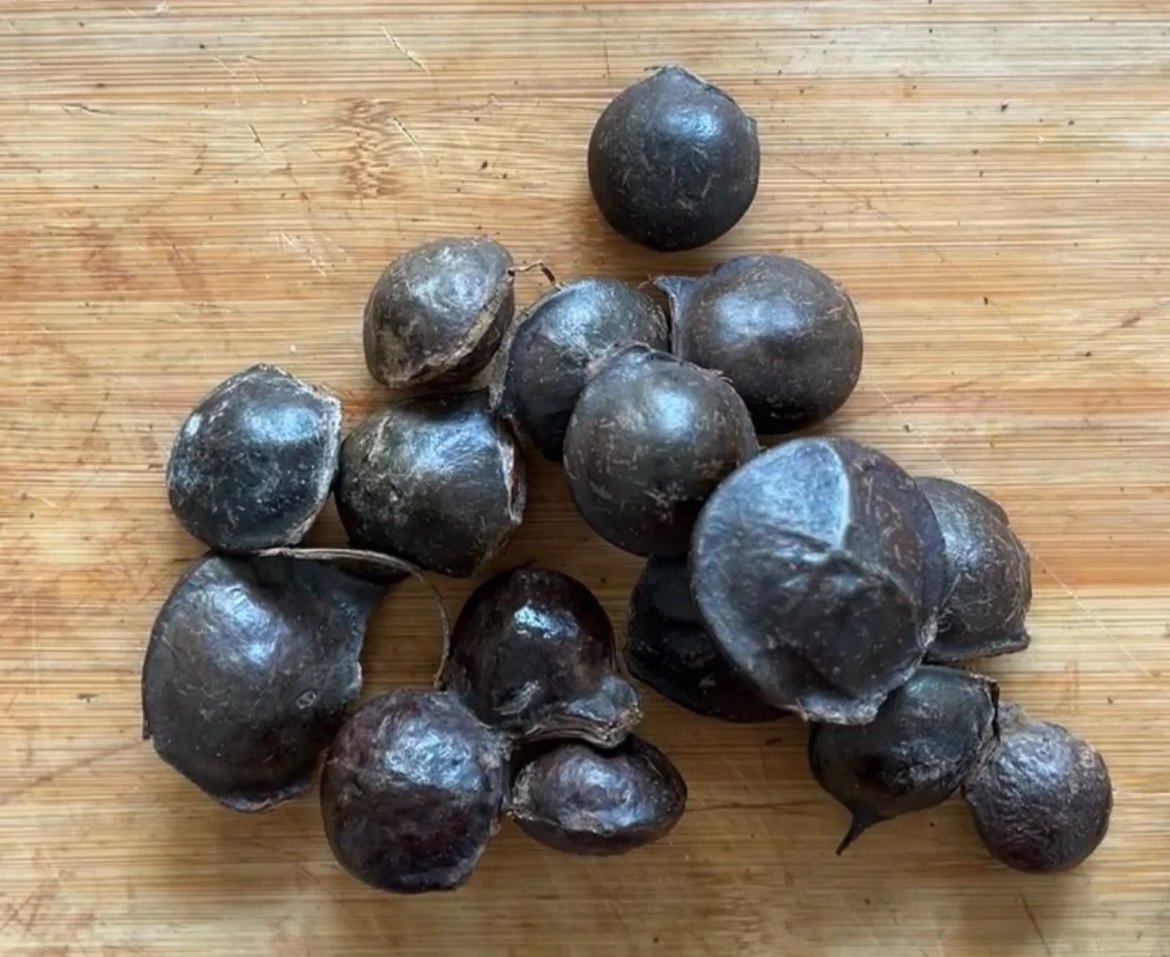
Jengkol or dogfruit, is a pungent Southeast Asian legume prized for its firm texture and strong, sulfurous aroma when cooked; it’s often used in savory stews, spicy sambals, and fried dishes where its meaty chew and ability to absorb bold flavors shine. If you need a milder substitute, baby potatoes or a bean-and-potato mix work well — their creamy, slightly starchy bite mimics jengkol’s texture and takes on sauces and spices similarly, making them a practical swap in curries, stir-fries, or roasted preparations.
Step-by-step method
Dogfruits are usually sold peeled, the one that I’m showcasing below is the young and unpeeled one. Some say you should bury them in the dirt before cooking them to avoid kidney stones, but I find that soaking them in rice water works as fine.
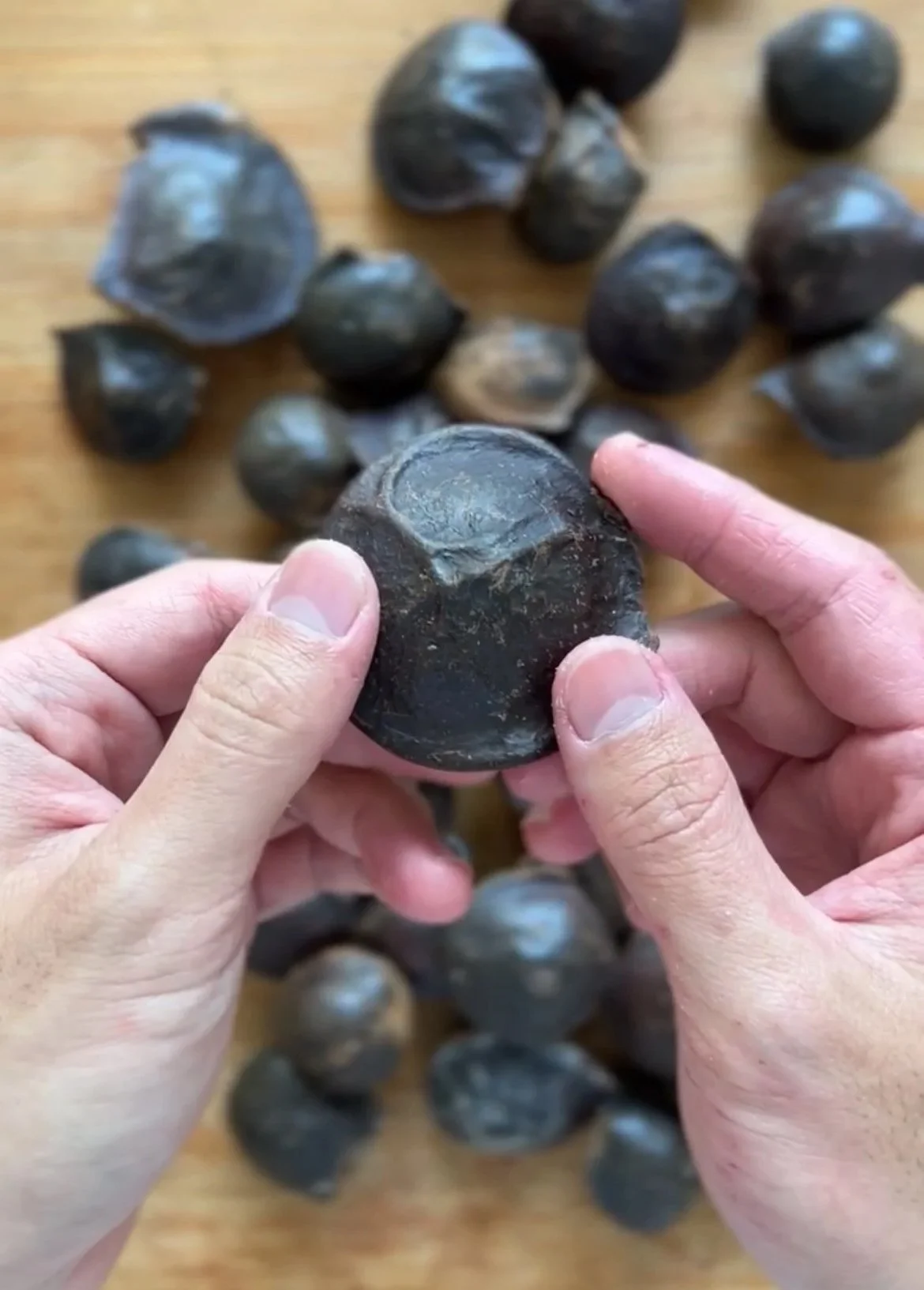
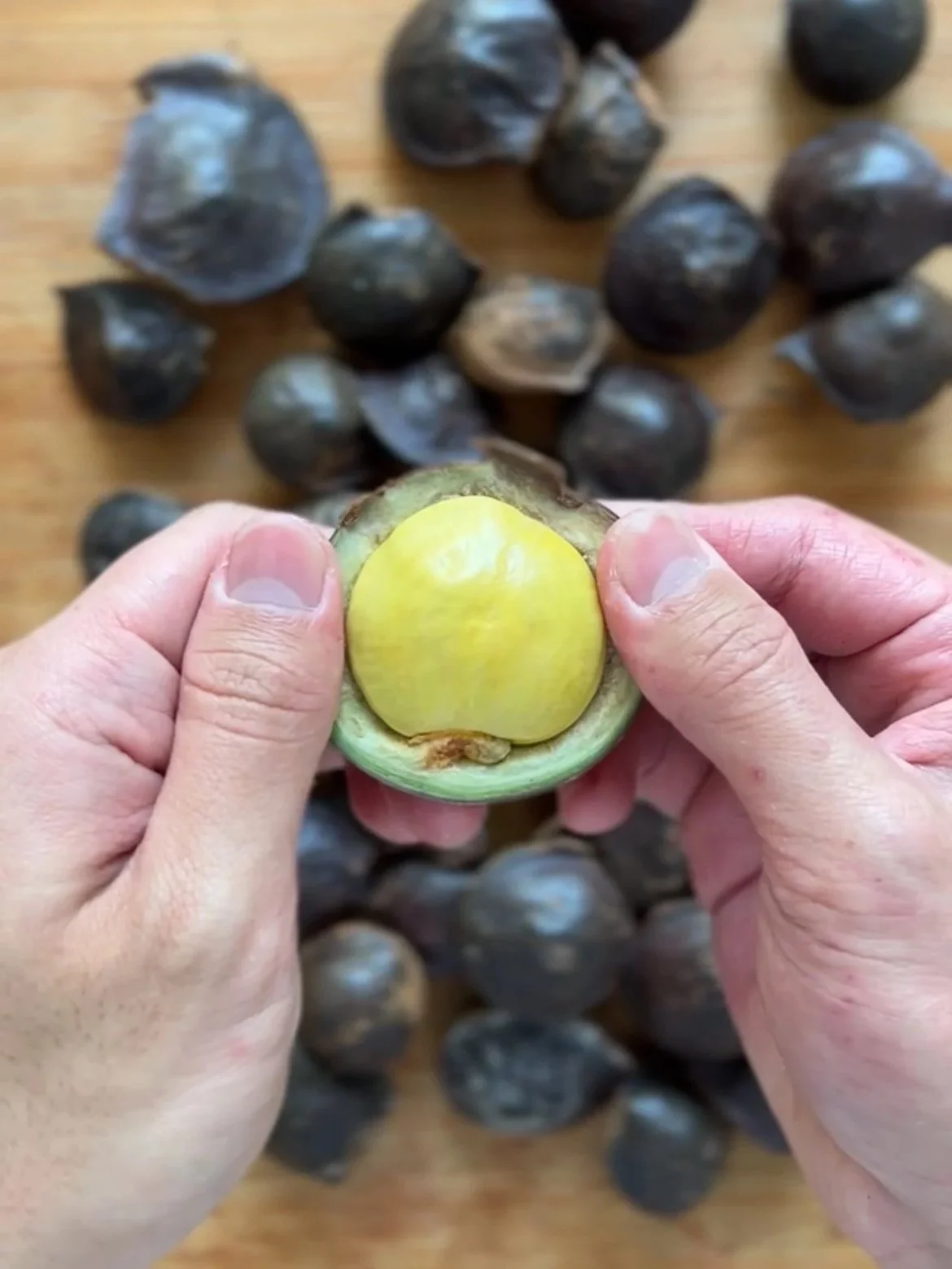
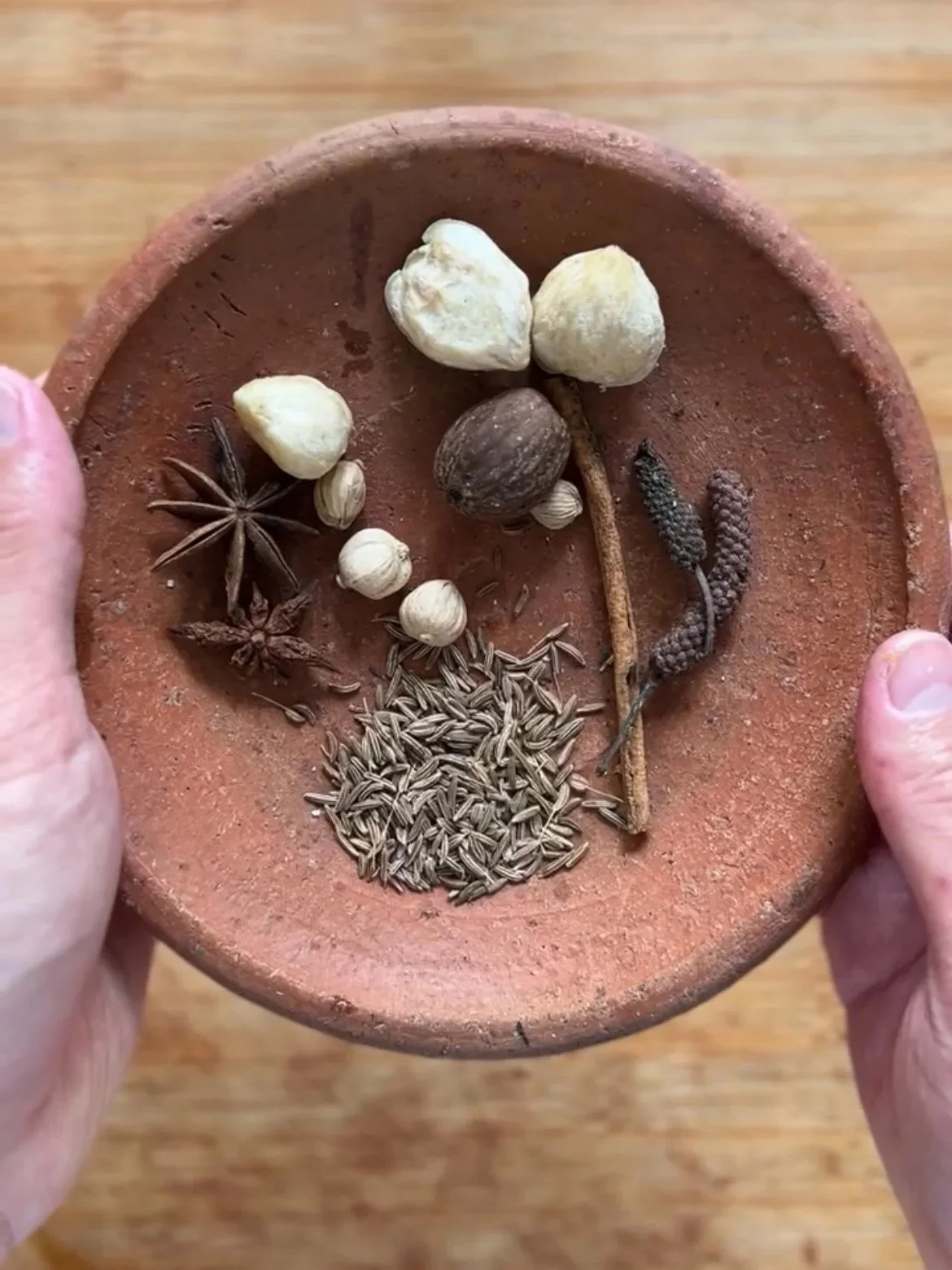
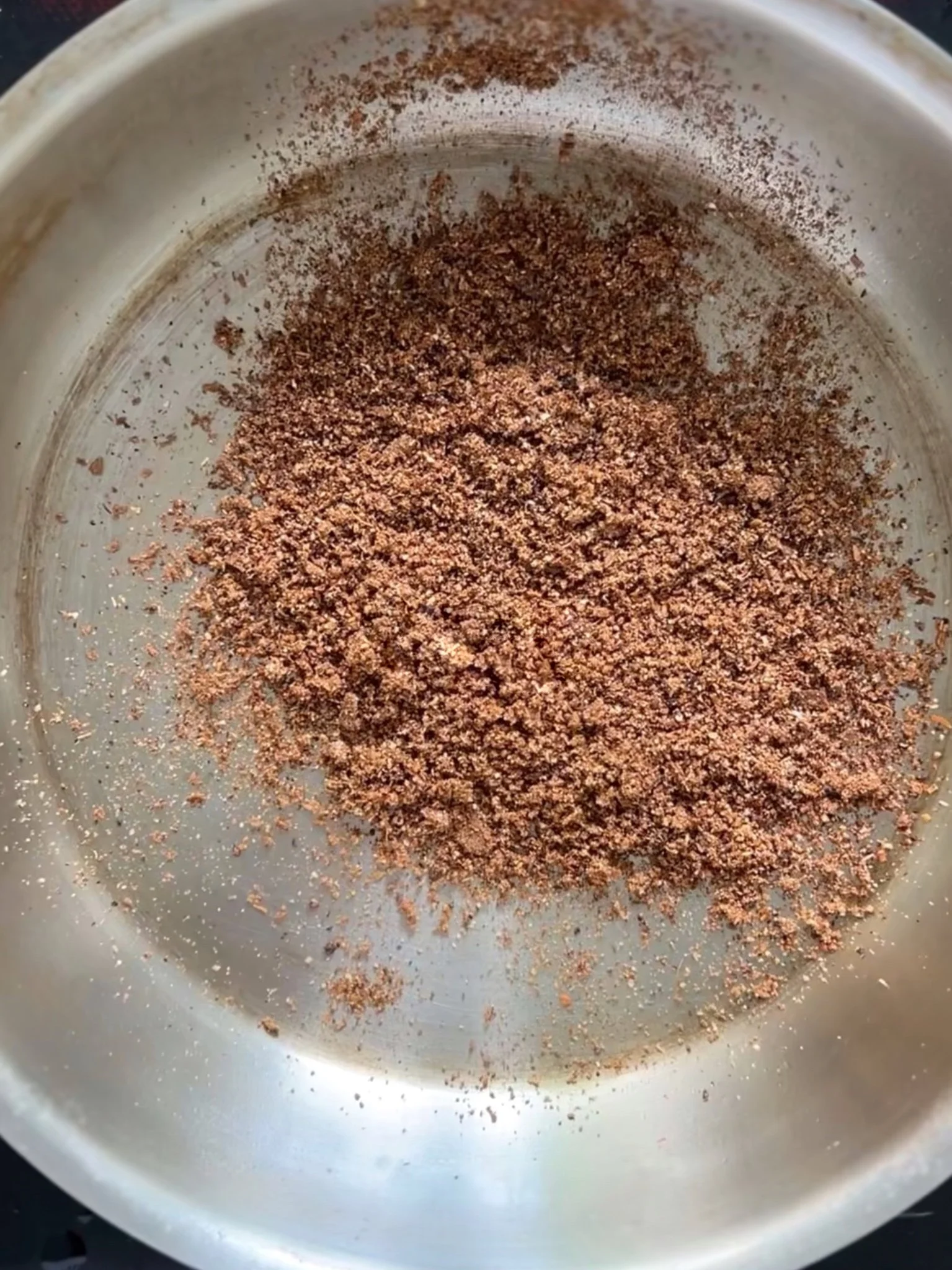
prepare your spice blend. You can also use dried spices but these are the typical authentic blend. Lightly toast them and grind them into powder.
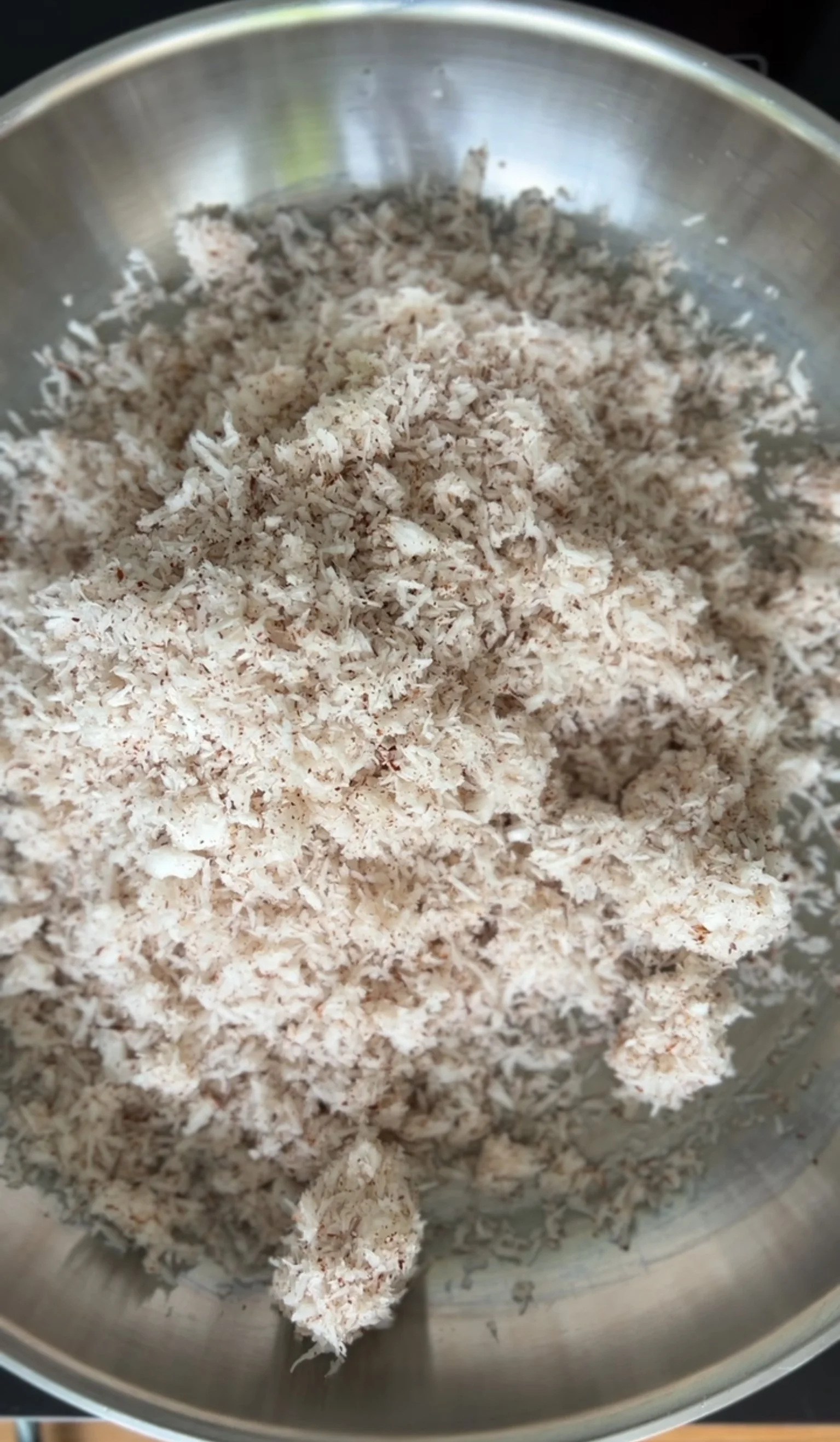
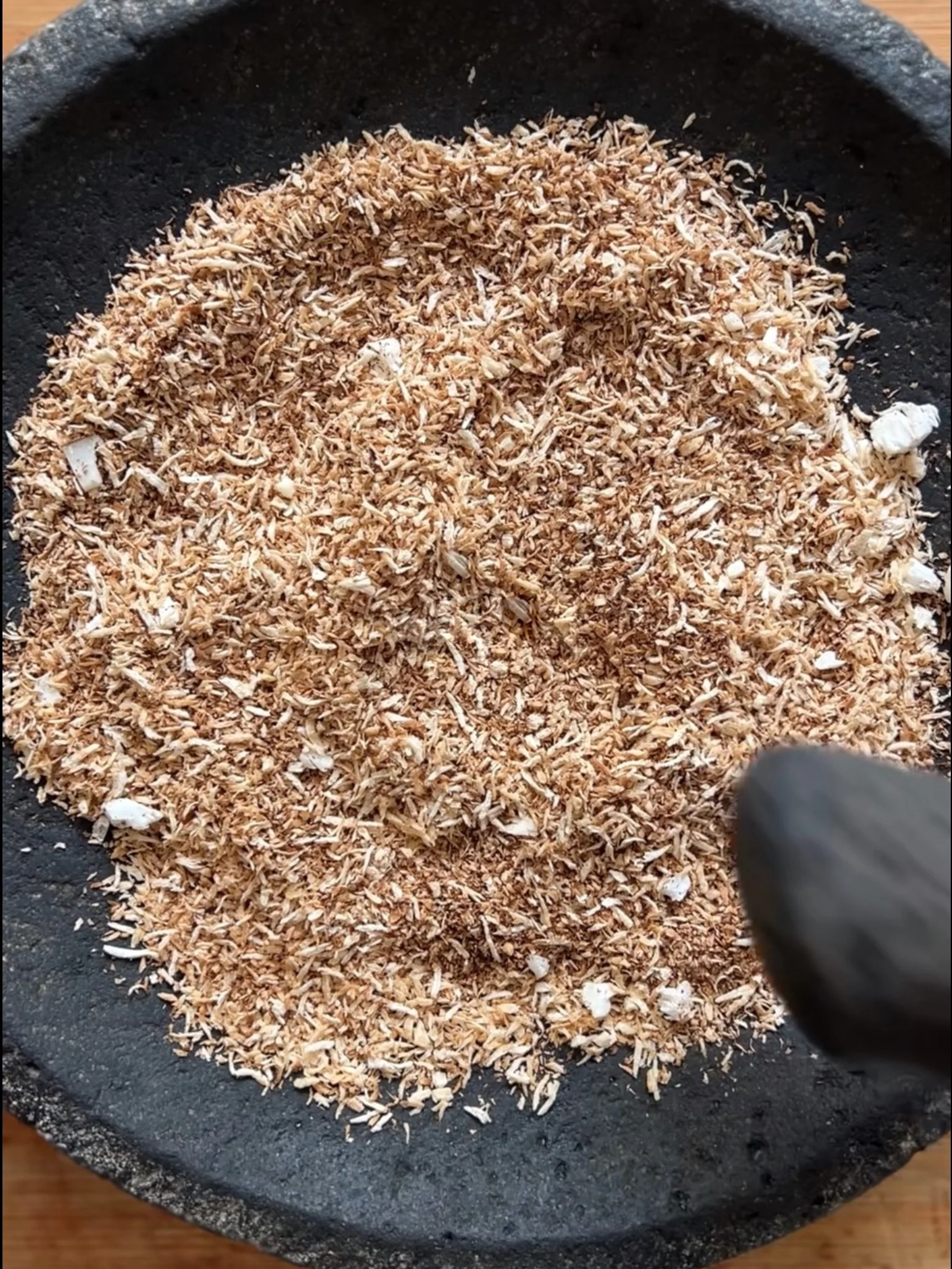
Now toast the freshly grated coconut on low heat until they turn dark brown evenly. Then grind them into a smooth paste to make the toasted coconut butter or kerisik.
Now lightly fry the crushed dogfruits and they’re now ready to be cooked. Prepare the curry paste by combining the wet spice paste with the dry ones. Add in coconut milk and simmer for hours until dry.
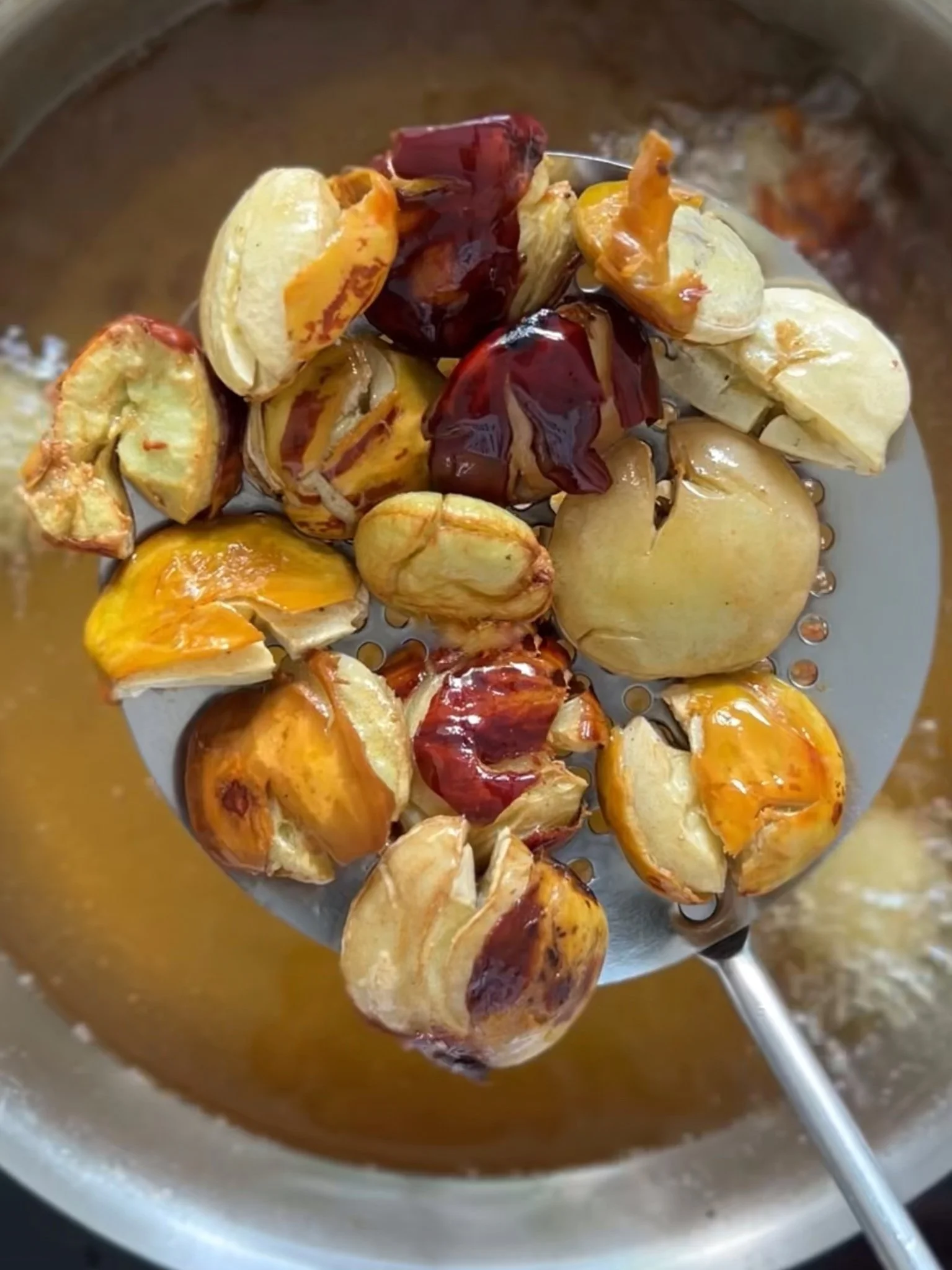
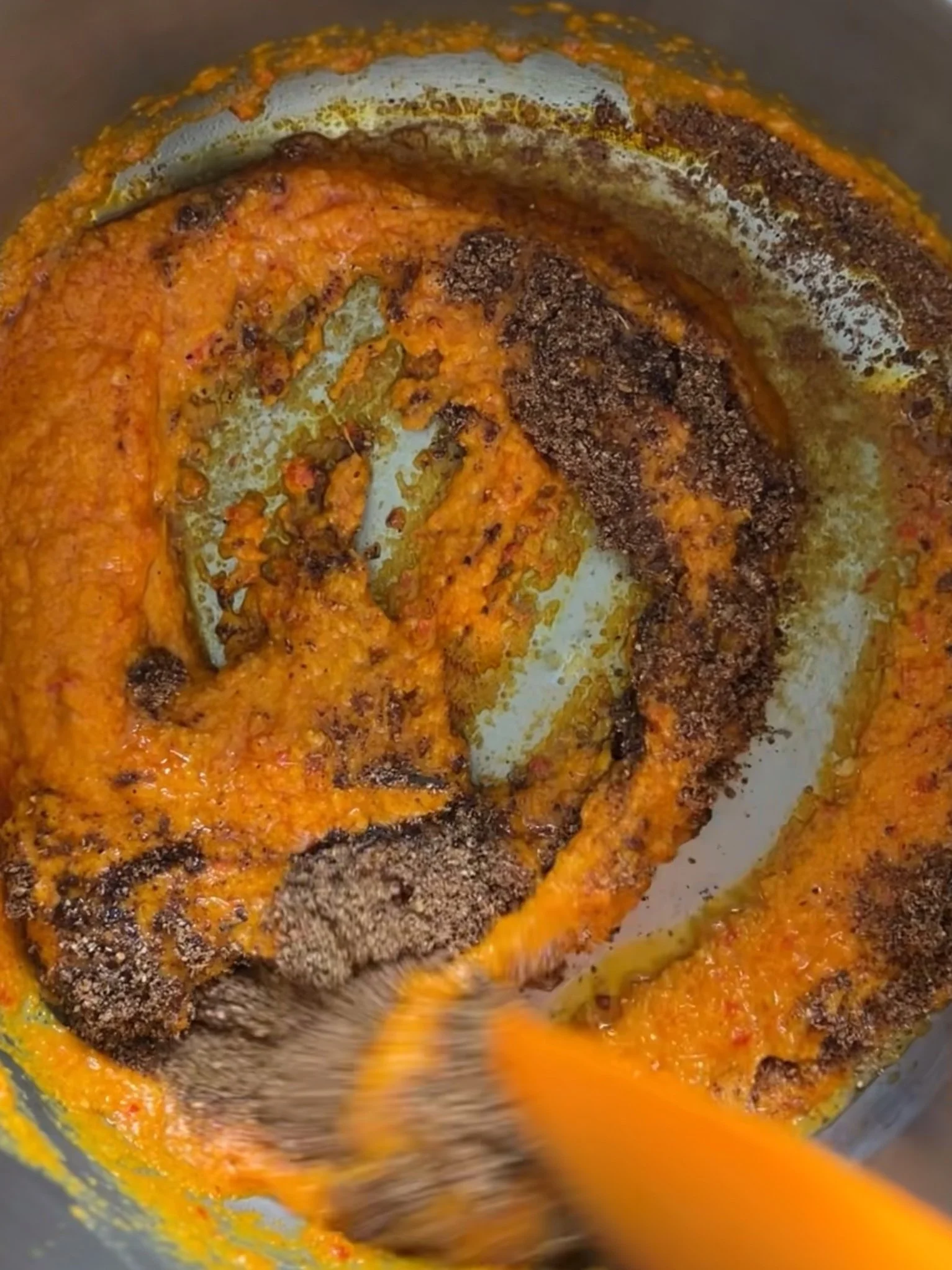
Simmer the coconut curry with dogfruits in it for a minimal of 3 hours on low heat (traditionally for 12-24 hours) or until everything turn into a dry paste and caramelized.
Check out my video for a complete step-by-step method!
Randang Jaring
Author : Tamtam
Yield : 6 portions
Ingredients
Prep time : 3 hrs
Difficulty : Easy
500 g jengkol (whole)
1 liter coconut milk
1 lemongrass stalk, bruised
2 cm galangal, sliced
1 Indonesian bay leaf (substitute with dry bay leaf)
1 turmeric leaf (optional)
3 tbsp toasted coconut butter (kerisik) (full recipe of Kerisik here)
Salt to taste
(Spice Paste)
8 shallots
3 garlic cloves
4 big red chilies
3 candlenuts
5 bird’s eye chilies
2 cm turmeric
2 cm fresh ginger
1 tbsp coriander powder
1 tbsp cumin seeds
2 cabe jawa (long pepper)
½ nutmeg
3 cardamoms
2 star anise
1 tiny stick cinnamon
Preparation
Lightly crush dogfruits, fry it briefly, then soak in rice water for 2 hours to mellow its aroma.
Toast the dry spices until its aroma comes out, then ground it to powder.
Prepare the aromatics and fresh spices by peeling, chopping or slicing as needed so they blend evenly.
Use a food processor, blender, or a mortar and pestle. Pulse first to break down tough fibers, then process to a silky paste. If the mixture seems too dry, add a tablespoon of oil incrementally to achieve a smooth, spreadable consistency.
Scrape down the sides occasionally to ensure an even grind and a uniform paste without lumps.
Sauté the spice paste until fragrant with the aromatics. Then add in the dry powdered spices.
Stir frequently, until the paste darkens slightly and becomes visibly glossy and aromatic — typically 6–10 minutes. This step cooks out raw, starchy flavors and allows the spices’ natural oils to bloom.
Monitor for sticking; if the paste begins to cling too aggressively, splash a little water or coconut milk to deglaze and lift any fond into the mixture.
Pour in the coconut milk gradually while stirring to incorporate the paste smoothly and form a cohesive sauce. Use full-fat coconut milk or freshly squeezed coconut milk for richness and body.
Bring the mixture to a gentle simmer, allowing the flavors to marry for several minutes before proceeding.
Add jengkol and cook over low heat — merandang — stirring consistently until the sauce thickens, darkens, and almost dries out.
Stir in the toasted coconut butter (kerisik) if available; it intensifies coconut flavor and helps the sauce emulsify into a thicker, creamier consistency.
Reduce heat to low and let the dish cook slowly in the merandang style: long, gentle simmering that encourages the sauce to reduce and caramelize around the jengkol. This low-and-slow method deepens color and concentrates flavors without scorching.
Taste periodically for texture and doneness; the seeds should be tender but intact, not mushy.
Taste and adjust salt if needed.
Toward the end of cooking, sample a small amount to assess seasoning and overall balance. Adjust with salt gradually, or add a small pinch of palm sugar if the curry needs a touch of sweetness to round the flavors.
If the sauce has reduced too far and you desire a looser consistency, stir in a splash of hot water or a little more coconut milk and simmer briefly to blend.
Once satisfied, remove whole aromatics like lemongrass and bay leaf before serving. Serve warm with rice and enjoy!
Important notes
Constantly stir during the 3 hours of marandang (simmering): the long, slow reduction phase is crucial to develop the deep, caramelized flavor and dark color of rendang jengkol. Stir regularly and scrape the bottom to prevent sticking and burning, adjusting heat so the mixture simmers gently rather than boiling aggressively.
Prepare and treat the jengkol properly: soak fresh jengkol for several hours or overnight to reduce bitterness and strong odor; peel and split each bean if needed. Parboil briefly with a bay leaf or a pinch of salt, then rinse before adding to the spice-coconut mixture to ensure a cleaner taste and better texture.
Balance spice paste, coconut, and seasoning for prolonged cooking: use a well-blended spice paste (galangal, ginger, turmeric, lemongrass, shallot, garlic, chilies) and full-fat coconut milk or a combination of coconut milk and coconut cream. Season gradually — taste and adjust toward the end — because flavors concentrate during reduction. Prepare extra rendered coconut (kerisik) or toasted coconut to add near the finish for depth and body.