A Conversation with Chef Arnaud of Herbivore
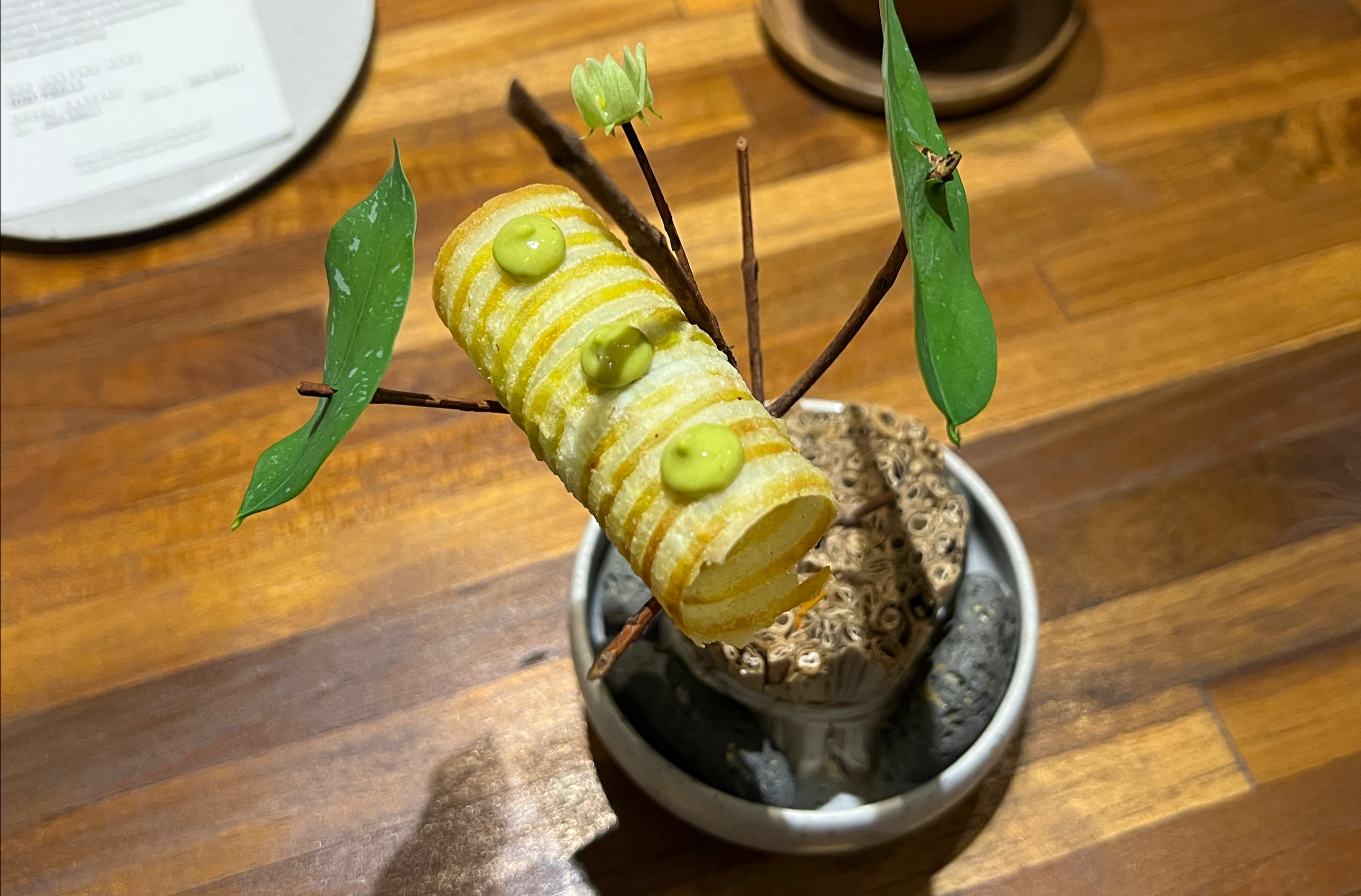
“It’s about awareness, not just biodiversity.”
Amid the euphoria surrounding Locavore NXT’s achievement—ranked No. 92 on Asia’s 50 Best Restaurants—I recently sat down with Chef Arnaud Hauchon, the mind behind Herbivore, a plant-forward restaurant concept he affectionately refers to as “Locavore NXT’s little sibling.”
Upon arriving at Herbivore, I was warmly welcomed by Chef Arnaud, and our conversation quickly unfolded—moving fluidly through discussions on plant-based eating and biodiversity. With over two decades of experience in the culinary world, he now calls Ubud home, after spending six years working as a culinary curator at Fivelements in Hong Kong and Bali.
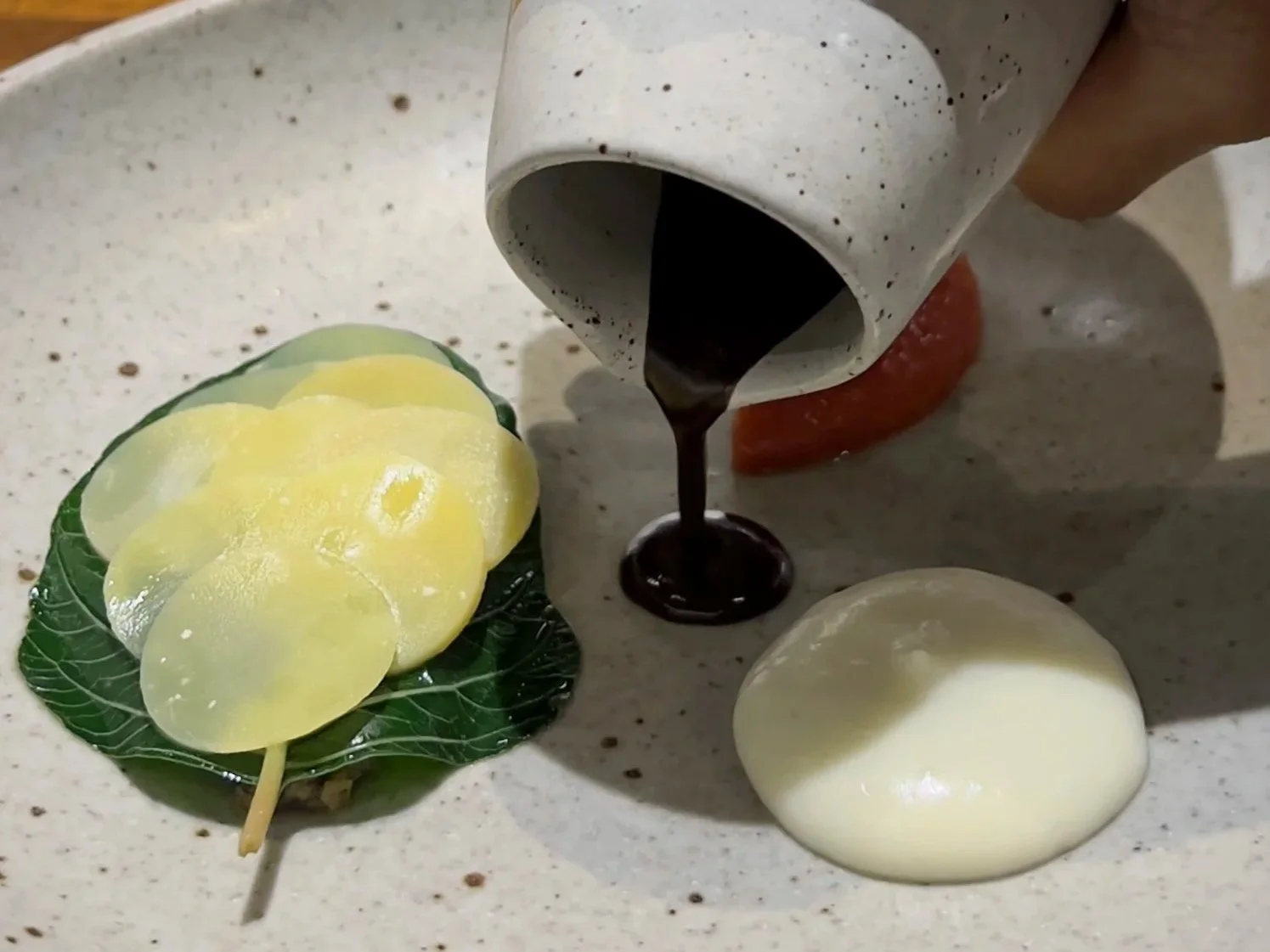
The quote above was his response to my question: had he ever worked in another country with biodiversity as rich as Indonesia’s? He was clear—this is not about how diverse a country is, but about how aware we are of what surrounds us. Whether in Borneo or the Amazon, if we fail to notice the grass beneath our own feet, we risk overlooking thousands of plants that could, in fact, be used.
Naturally, I became curious: what makes him so deeply committed to working with plant-based ingredients?
His love for vegetables and plants runs deep. He explained that plant-based ingredients offer limitless potential in both flavor and texture. One skill that has helped him explore rare plant ingredients is foraging—the practice of seeking out and identifying wild plants in nature.
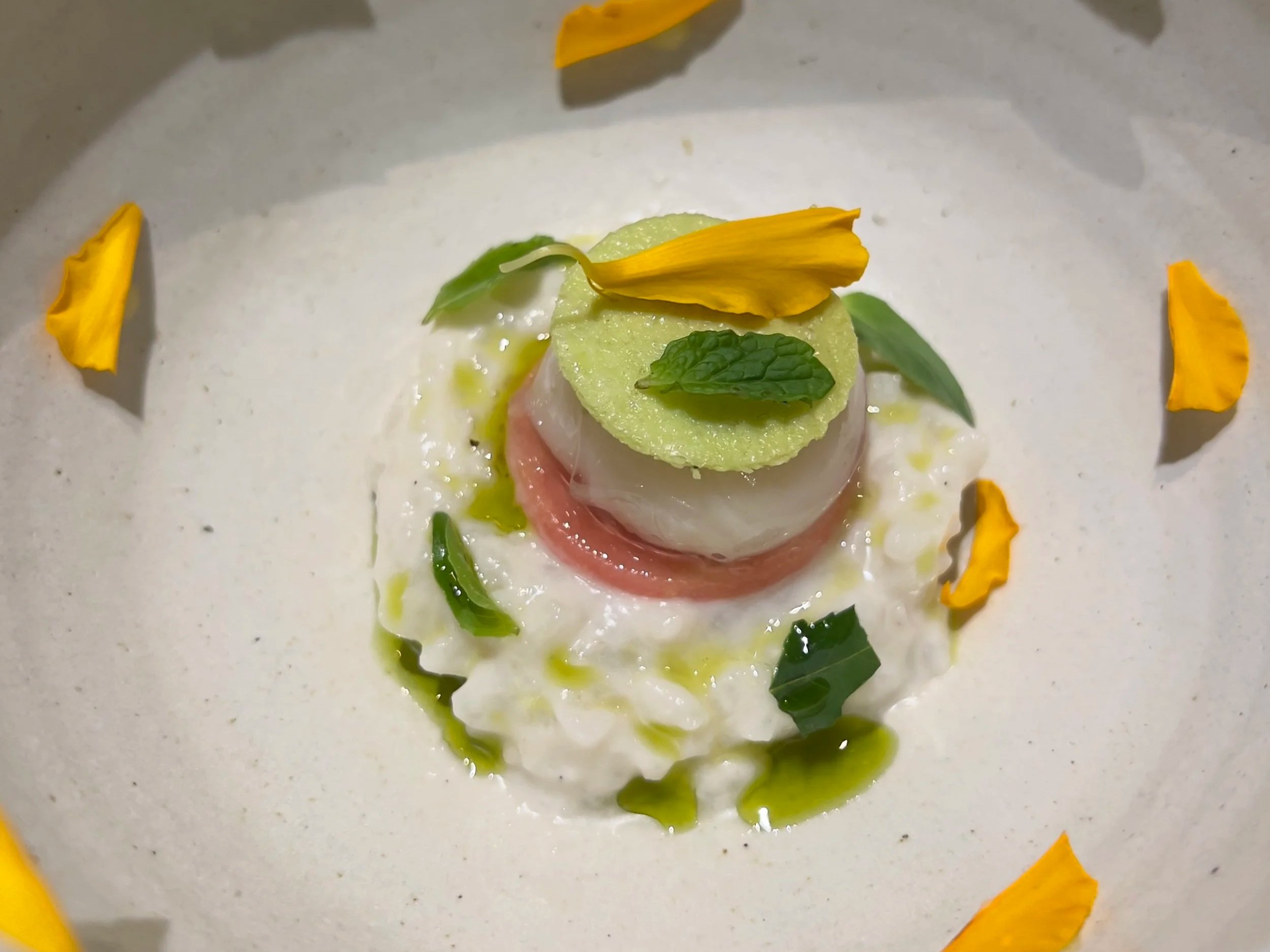
“It’s like a composer or a pianist discovering a new note on the piano,” he said.
Growing up in northern France, he spent his childhood wandering forests and discovering different kinds of plants—a habit he continues today, now practiced in foreign lands with vastly different biomes and abundant biodiversity.
The way he was raised in France also shaped the strong advocacy he carries today. During his teenage years, he survived by collecting bread and vegetables discarded behind supermarkets. Ironically, while food waste is illegal in some countries, the practice persists. From a young age, he internalized the principle that no food should ever be wasted—a value he still upholds at Herbivore.
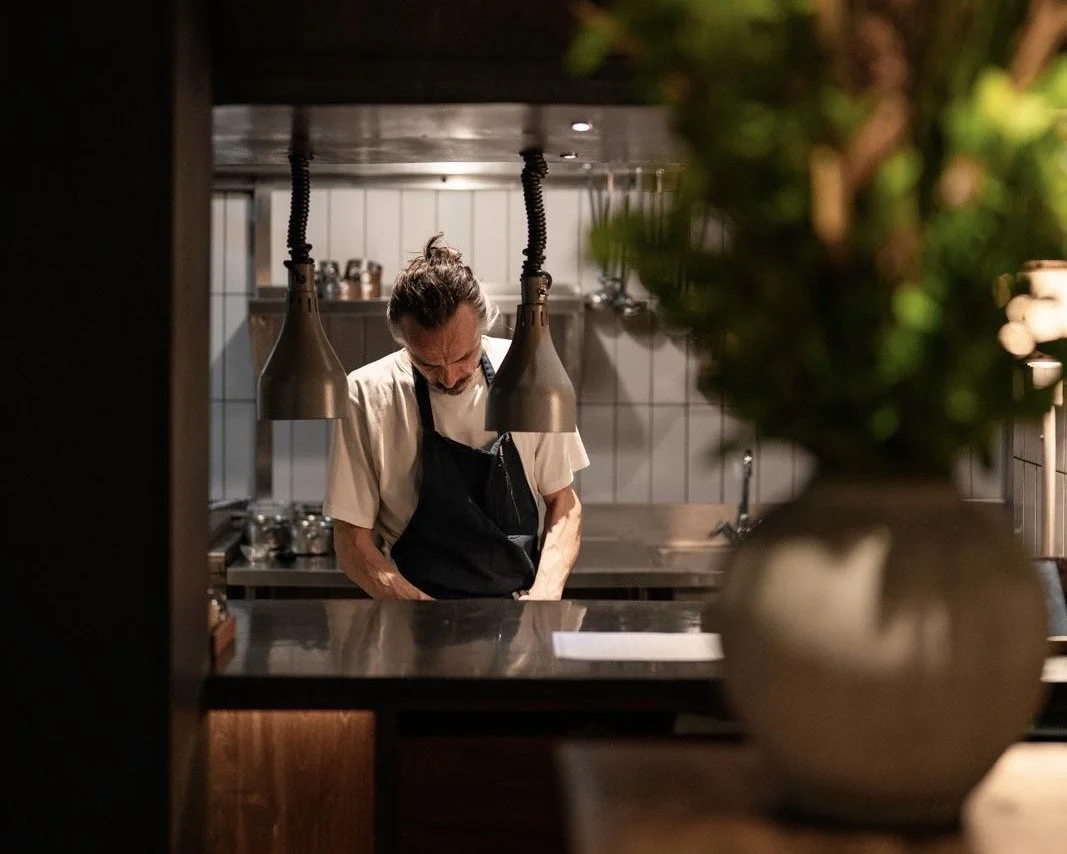
“Are you vegan?” he asked me.
I hesitated before answering, as I still occasionally consume eggs and terasi (shrimp paste).
“Same,” he replied with a smile.
Chef Arnaud initially became vegan for ethical reasons, but today his strongest motivation is sustainability and environmental impact. He believes that perfectionism can actually hinder a greater mission. If veganism becomes too exclusive, fewer people will be willing to reduce their meat consumption.
He avoids labels altogether and does not even want Herbivore to be called a plant-based restaurant. Instead, he prefers the phrase: “All flora, no fauna.” For him, it is time for a new, more inclusive terminology to emerge.
We went on to discuss the rise—and recent decline—of the plant-based food trend in Southeast Asia. I mentioned how Jakarta’s vegan industry surged during the pandemic, only to falter afterward, while carnivore diets have grown increasingly popular.

Chef Arnaud responded firmly: treating dietary choices as trends is a mistake. He has many friends who once became vegan simply because it was fashionable, only to later swing entirely in the opposite direction. For him, ideals must be grounded in personal principles, not fleeting movements.
I then shared my own experience as a chef and content creator focused on plant-based cuisine, and how my fascination with ingredients gradually grew beyond my love for finished dishes themselves. This is why I choose to spotlight ingredients in my content, rather than merely showcasing the final plate.
Chef Arnaud agreed. To be a chef, he said, is to truly understand and explore ingredients. His devotion to biodiversity is what keeps him rooted in plant-based cuisine. He even believes that the potential of plant-based cooking far surpasses that of meat. His mission now is simple and steadfast: to protect and celebrate biodiversity.
He closed our conversation with a reminder that Indonesia is one of the most biodiverse countries in the world.
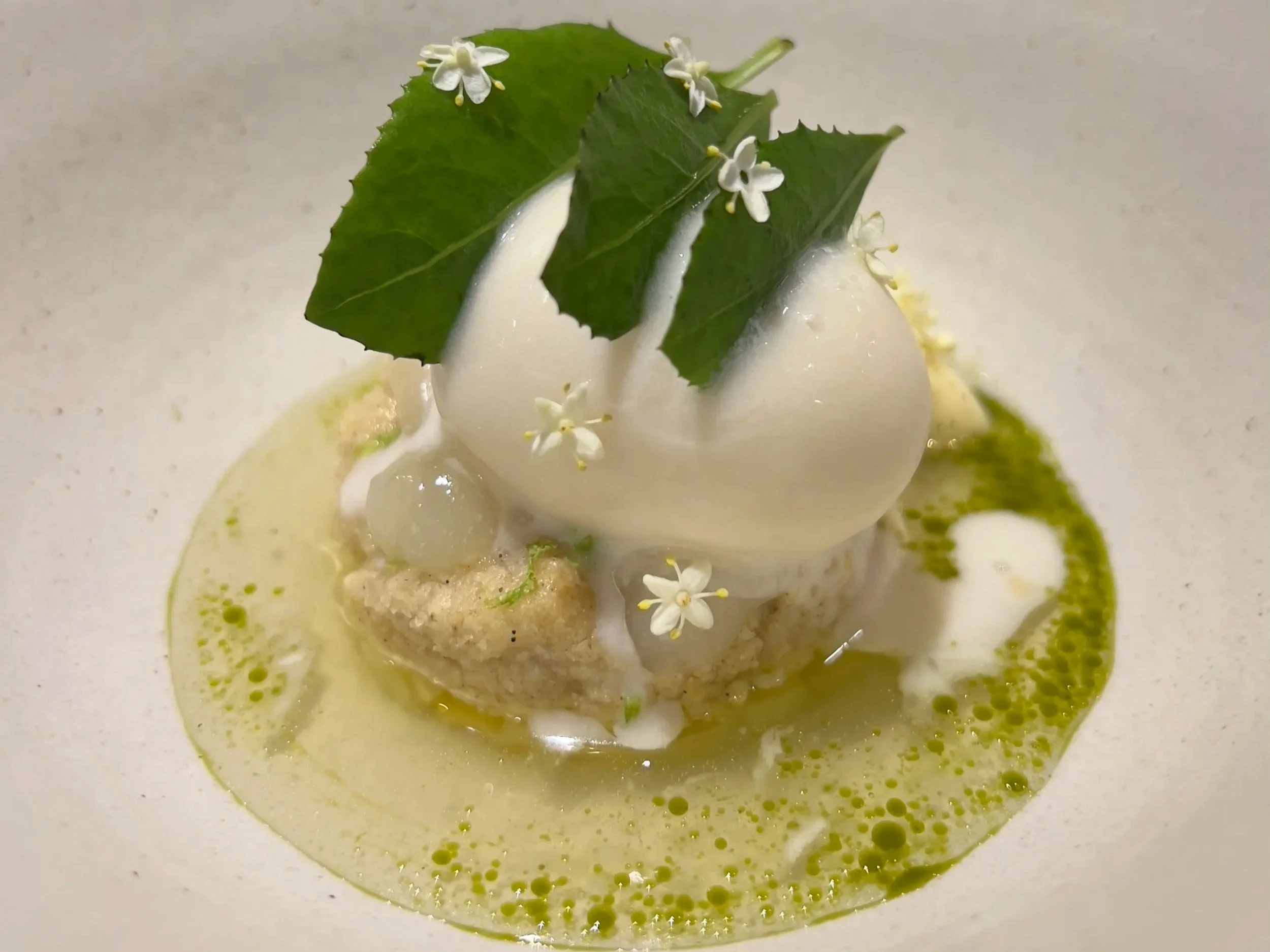
“We can forage so easily here—within just an hour—in these lush tropical rainforests. It’s a paradise we can so easily forget.”
